Travel sellers
A booking meets data. Agencies, tour operators and booking sites attach a plan to a trip that is already paid for.
Create a reseller account instantly with no monthly fee. Start in the portal, publish a branded storefront, or integrate the API when you need automation.
Build it into finance, hardware, travel, or team operations—or start with an affiliate, reseller, storefront, or API model.
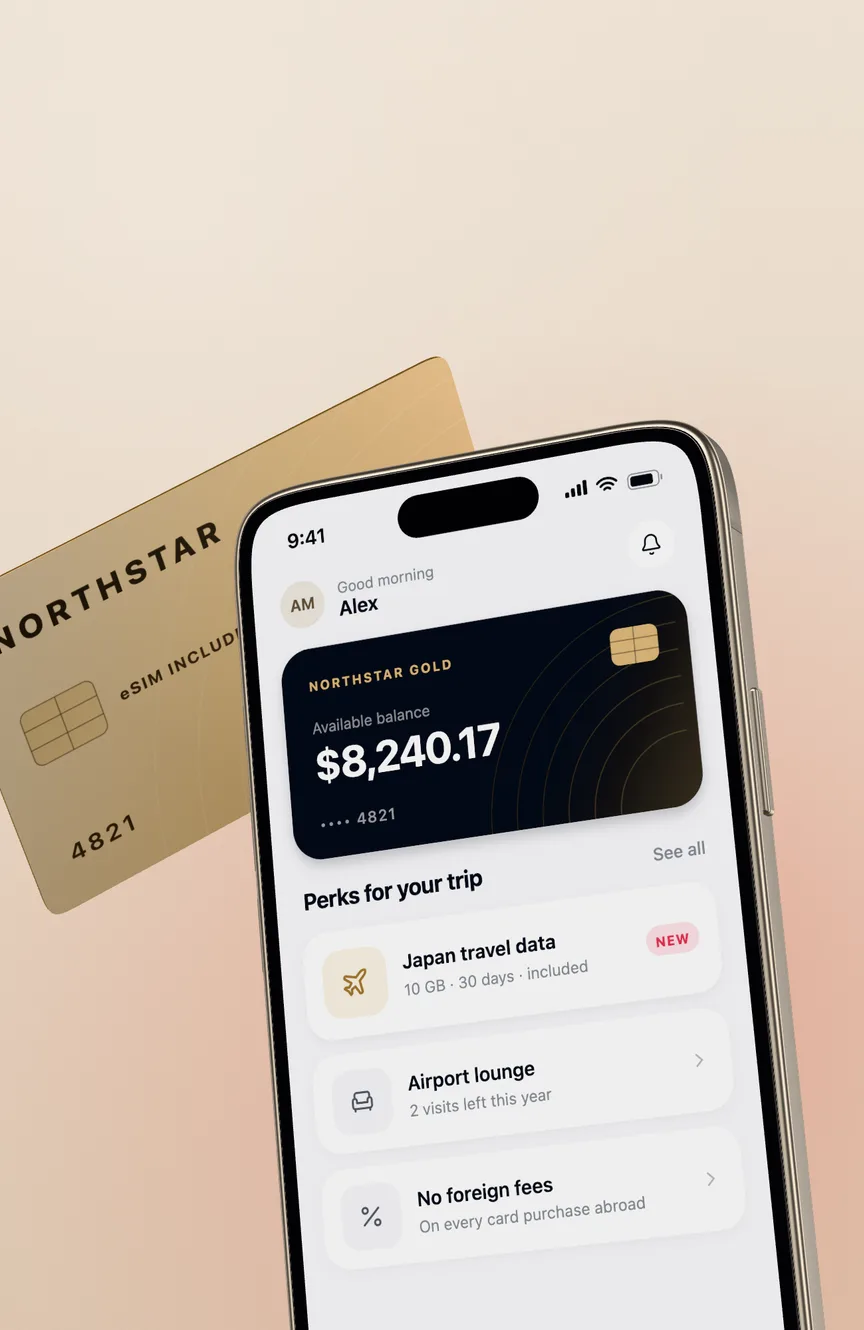
Travel data as a card perk
Put travel data inside wallets, rewards, and neobank experiences—with your product owning the customer journey.
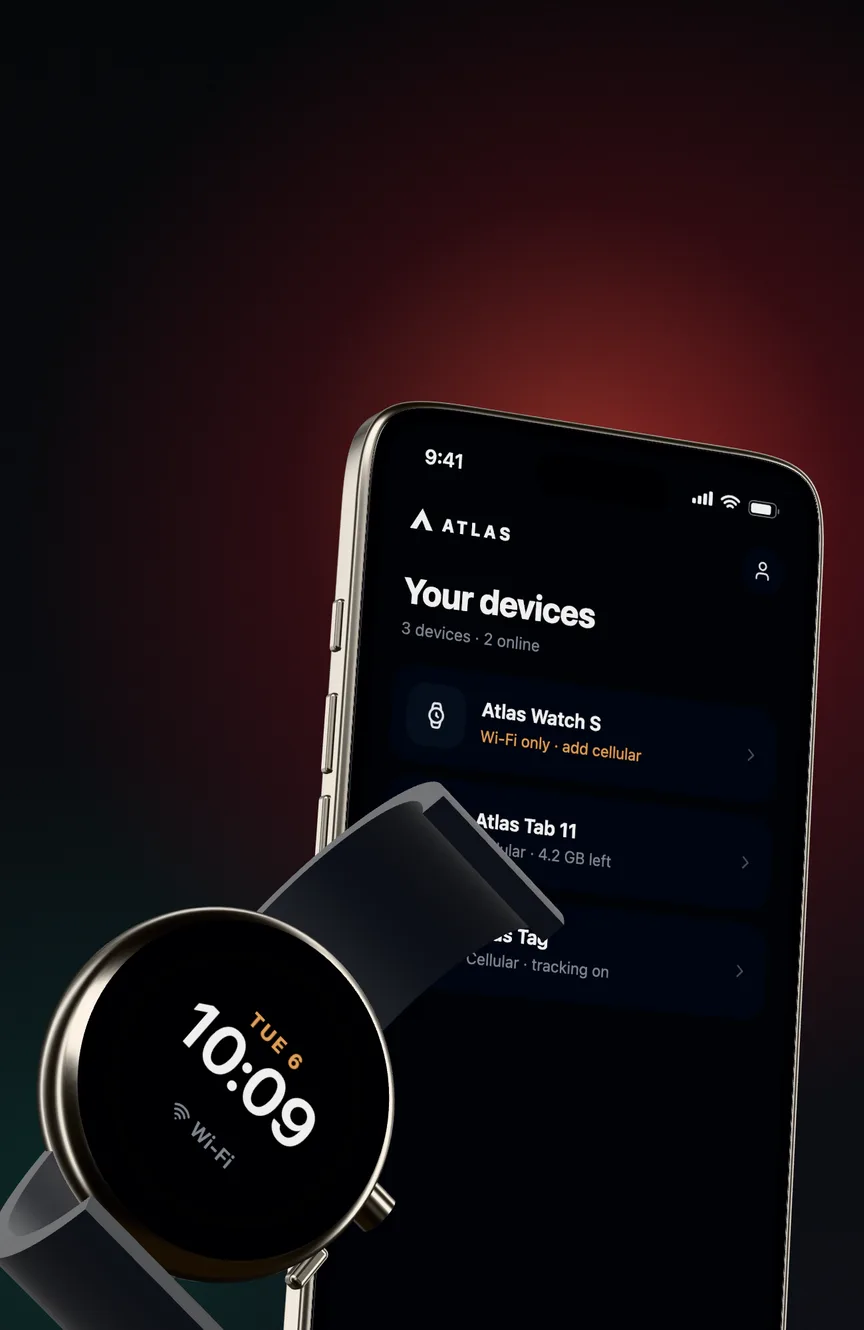
Connected out of the box
Bundle eSIM connectivity with hardware and manage plans, activation, and delivery through the Partner API.
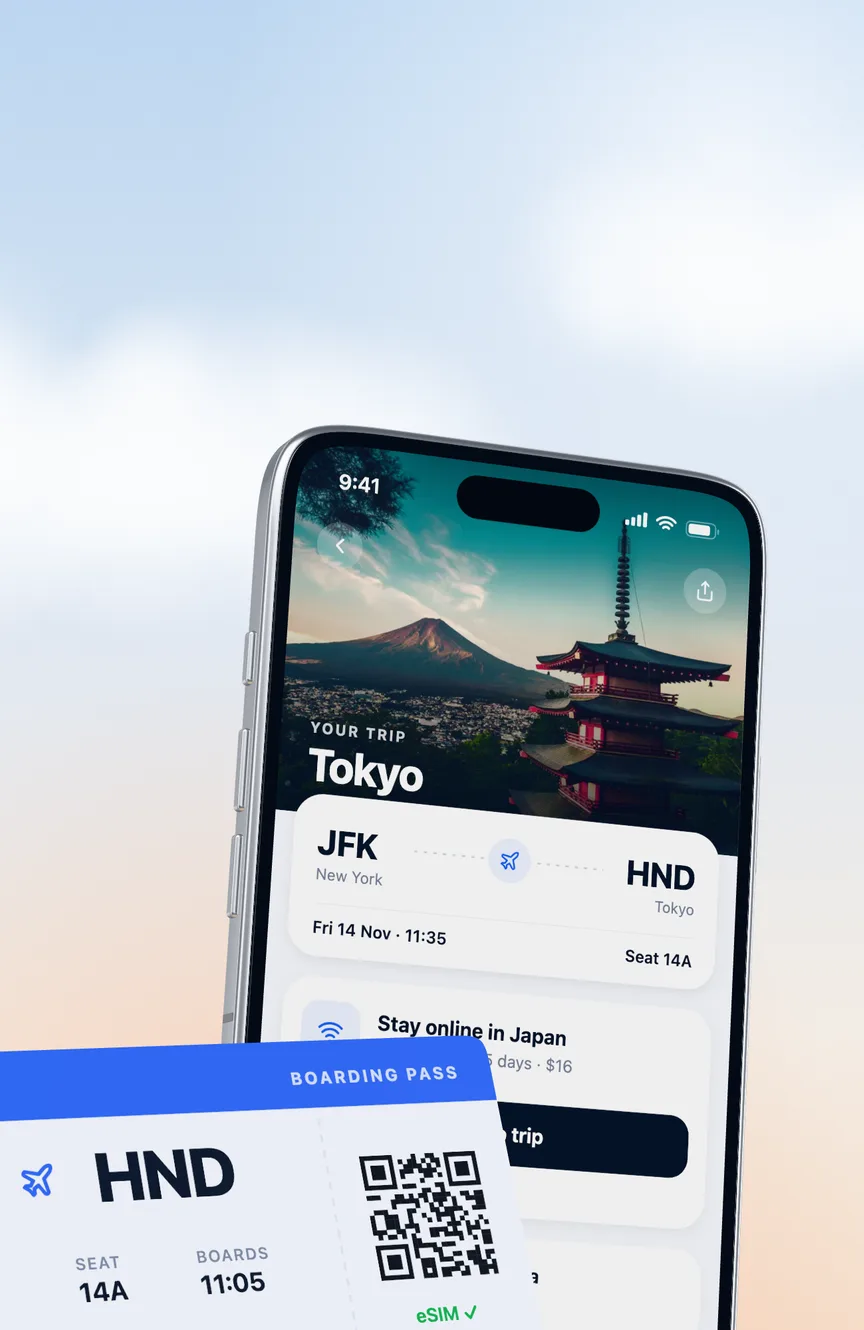
Online the moment they land
Add eSIMs to bookings, guest experiences, and travel brands before customers leave home.
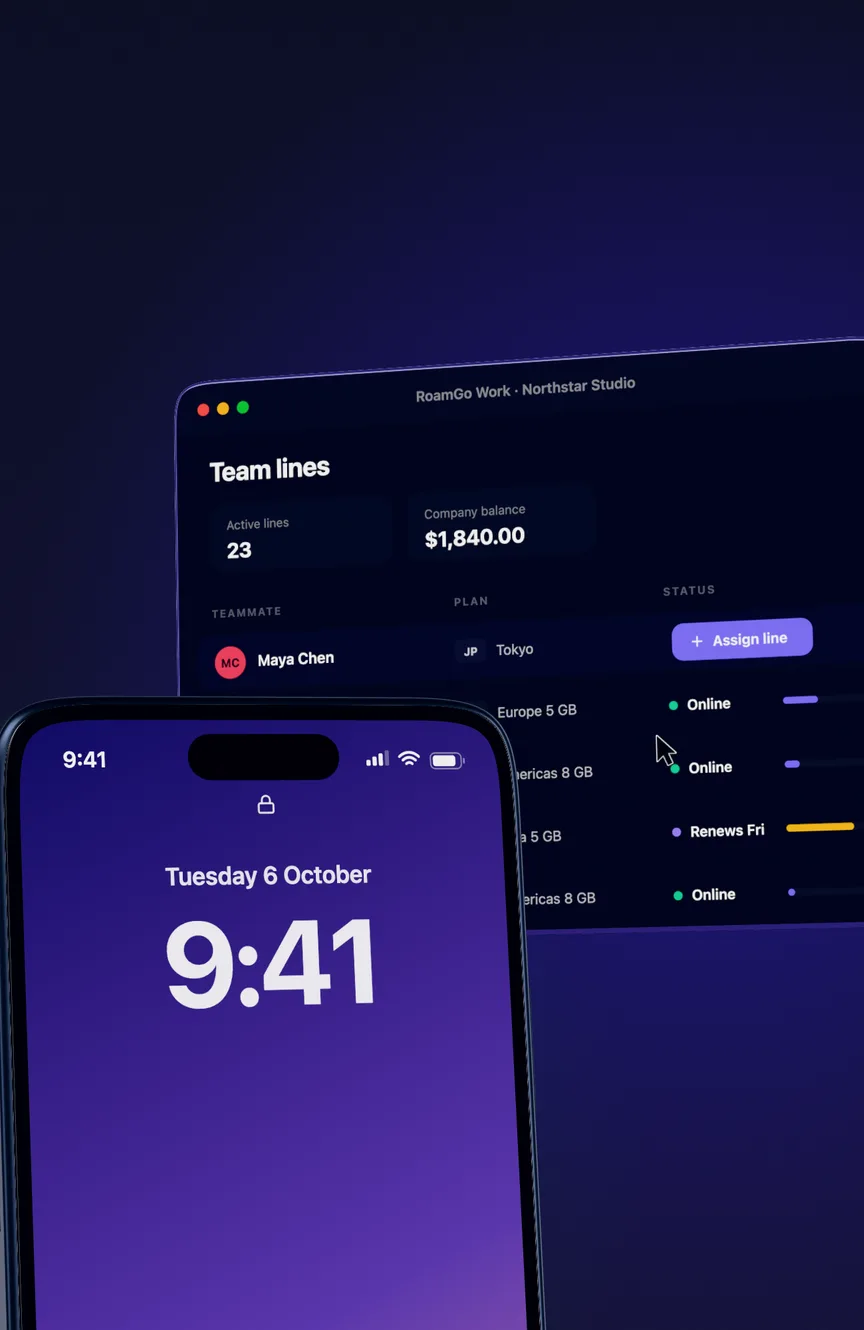
A line for every teammate
Give every traveler mobile data from one company balance, with renewable lines, usage alerts, and team controls.
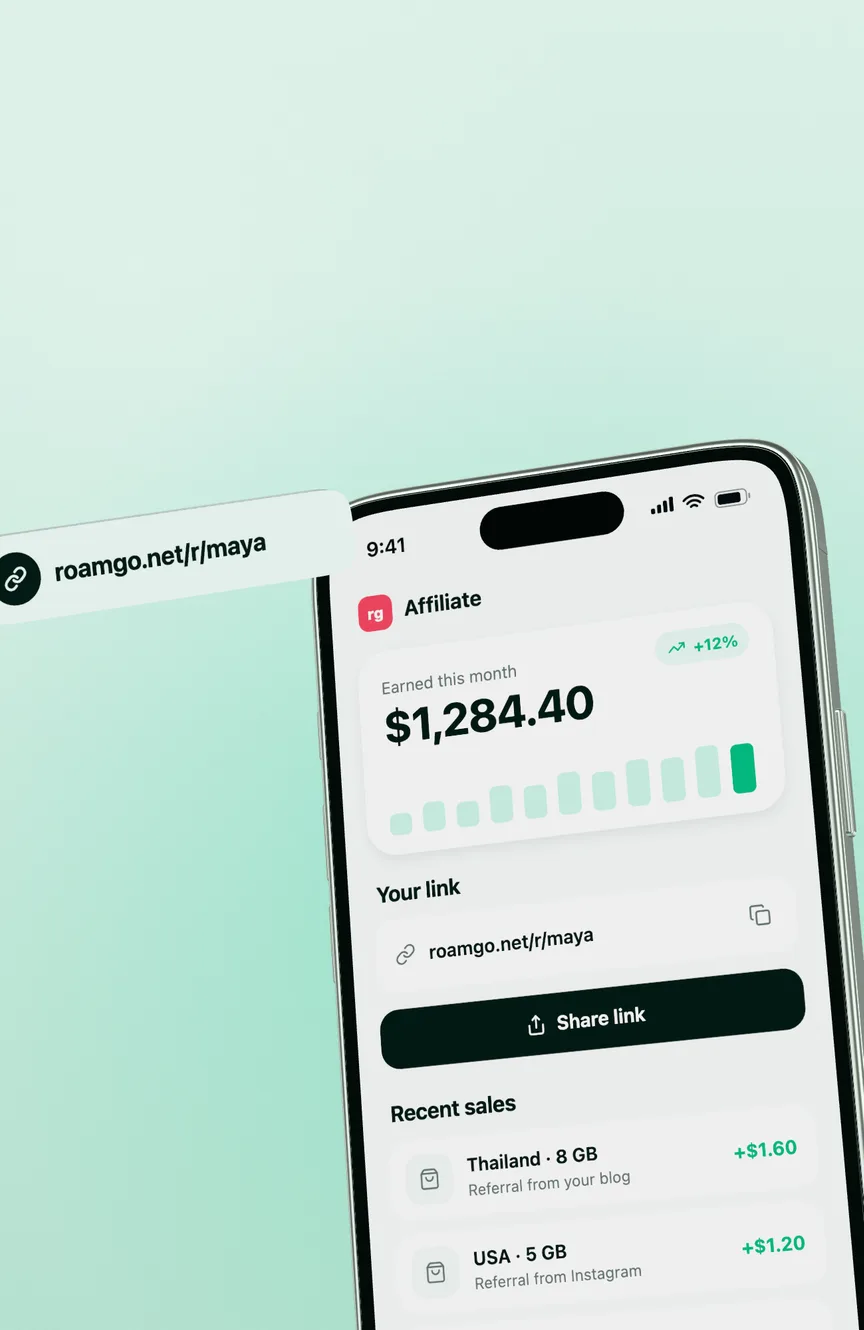
Share a link, earn per sale
Share tracked RoamGo links and earn the commission rate approved for your account. RoamGo owns checkout and fulfillment.
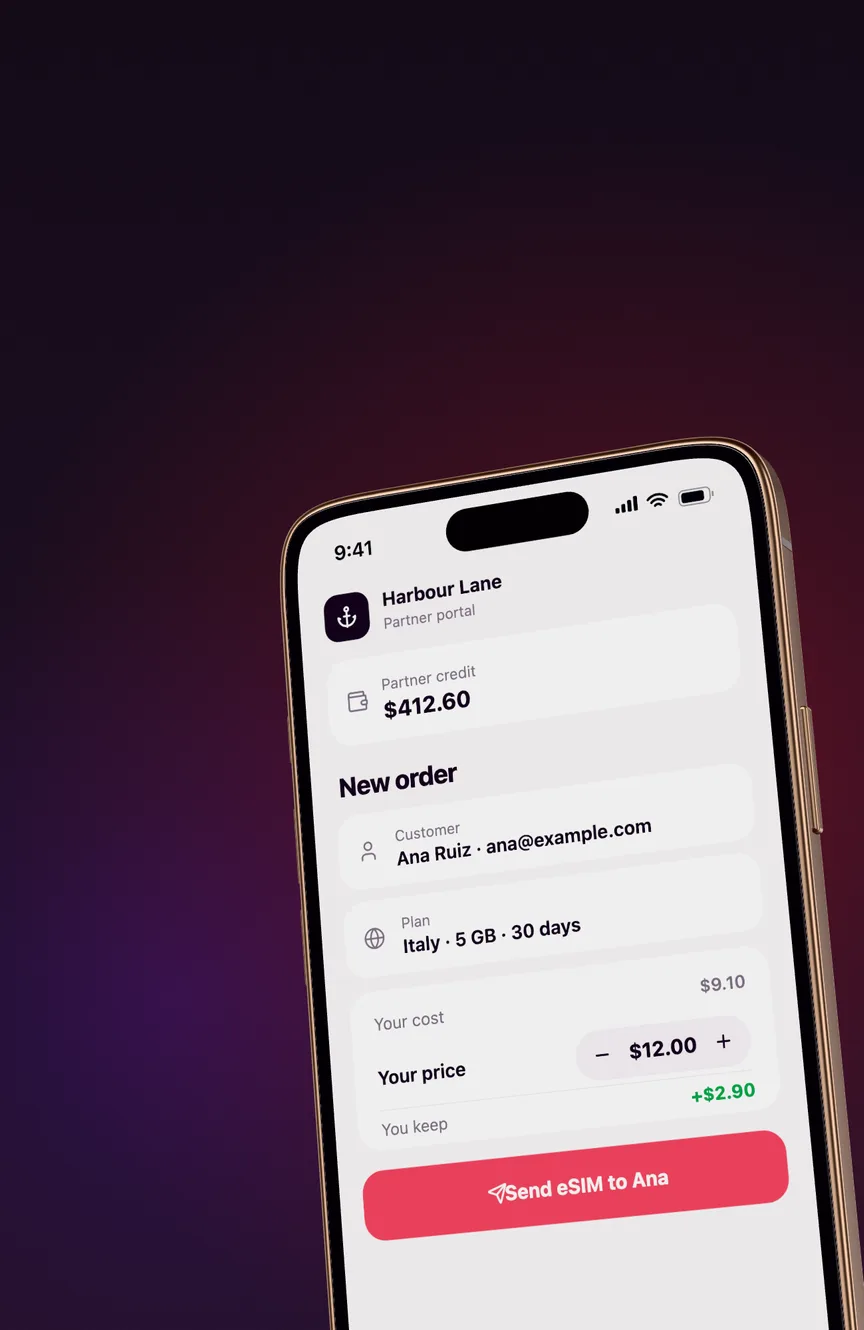
Your customers, your price
Buy from partner credit, place customer orders in the portal, and control your own retail relationship.
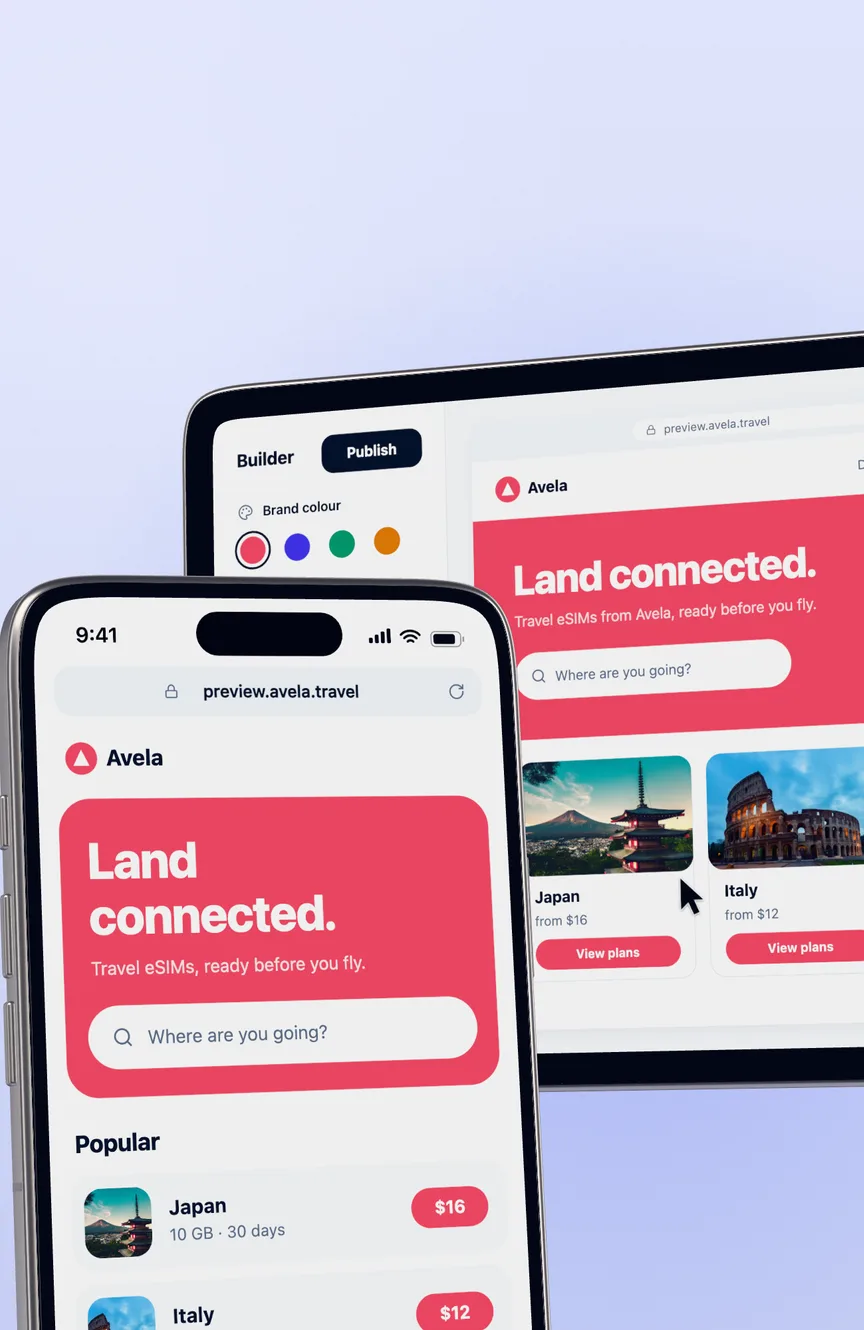
Your own eSIM shop, no code
Publish a no-code eSIM site and choose automated RoamGo checkout or direct payment to your Stripe and wallets.
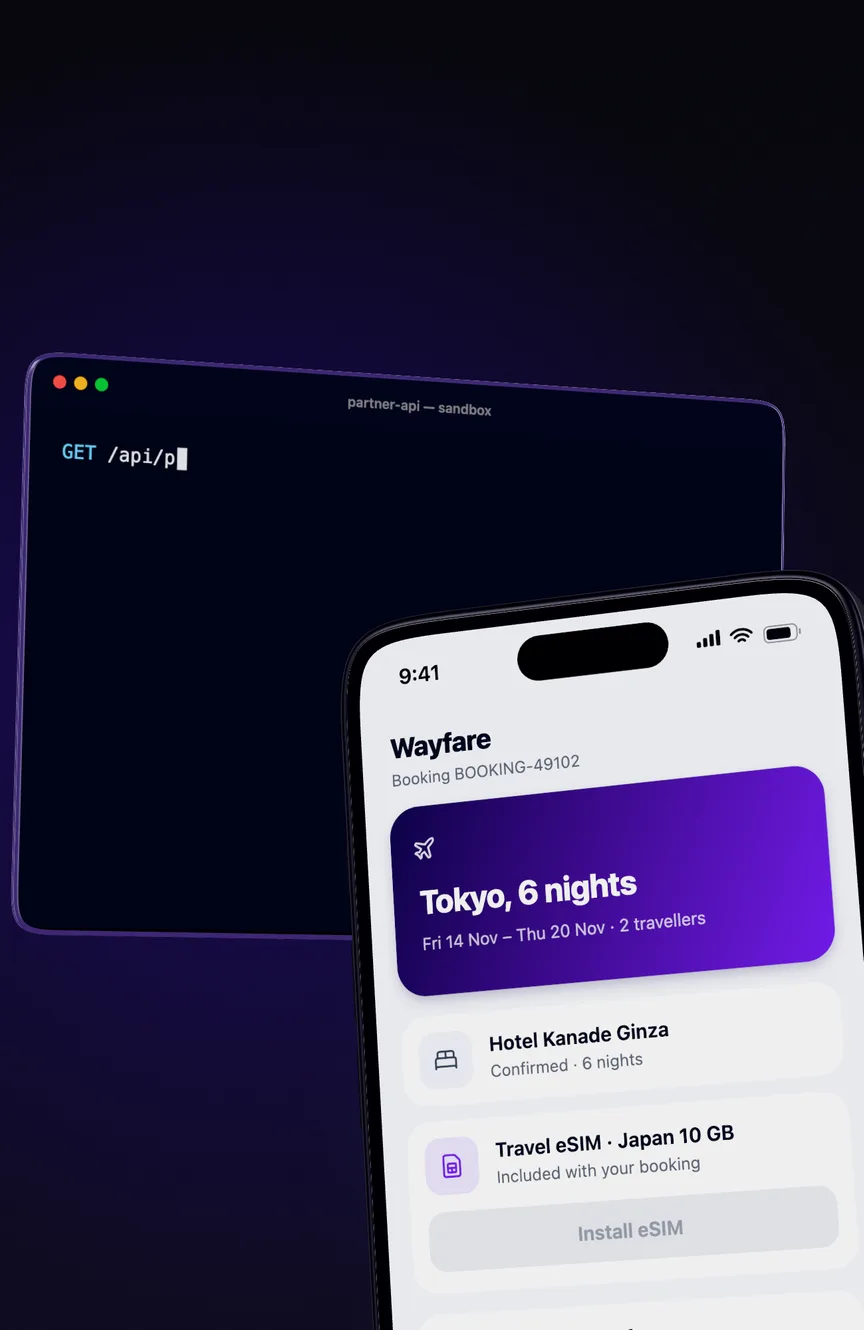
Two calls to an eSIM
Test for free, then automate catalog, ordering, eSIM delivery, refunds, top-ups, and webhooks.
create and keep a self-service reseller account
reusable live-order balance; later deposits start at $20
test API keys and fulfillment before funding live orders
The same catalogue, checkout and fulfilment sit behind all four. What changes is who owns the customer and where the plan is sold.
A booking meets data. Agencies, tour operators and booking sites attach a plan to a trip that is already paid for.
Check-in meets connectivity. Hotels and guest services hand an arrival a working connection instead of a WiFi password, and can run staff lines from the same balance.
A wallet meets a SIM. Audiences that already pay in stablecoin buy data the same way, with no card and no carrier account.
Your product meets the network. Two API calls put an eSIM inside your own checkout, with your booking reference on every webhook.
The builder turns the partner catalog into a public sales page. You control positioning, colors, plan selection, support contact, and payment mode while RoamGo remains the fulfillment layer.
Switch it on for your storefront and it answers the questions that arrive before a sale — coverage, activation, what a plan actually includes — from your catalogue and the prices you set. Or call it from your own product through the API and put it wherever your customers already ask.
Going to Japan for 10 days — what do you have?
Japan 5 GB, valid 30 days, USD 12.40. It activates when it first connects in Japan, so you can install it before you fly.
Does it come with a phone number?
No, it's data only. Calls and messages through apps like WhatsApp work as usual.
Answering as your brand, at your prices
Affiliate, reseller, storefront, and API paths use different funding and checkout models. The comparison below keeps those differences explicit.
Sell to companies that want to buy their own travel data, and hand each one a partner panel on your domain, with your name and colours. You set what they pay and fund them from your balance; they order and manage eSIMs themselves.
Once your storefront domain is live, the panel your clients sign in to carries your name, logo and colours rather than ours.
Give each client a margin over cost, and override the price on individual plans where you want a different number.
Credit moves from your account to theirs as a transfer you can reverse, so a client never has a billing relationship with RoamGo.
Clients place and track their own orders instead of emailing you, and you keep the margin on everything they buy.
A client signs up for their own free partner account first, then you attach it and set their pricing. Client accounts do not resell onward.
Package global and destination eSIM plans under your own storefront while the partner platform handles the operational work that customers should never have to see.
Reseller pricing is up to 60% less than retail, depending on the plan. Exact plan prices are visible in the portal before you add credit or place an order.
Verify your email and enter the partner panel immediately. There is no manual approval or monthly account fee.
Create test-mode API keys and run sandbox fulfillment without using production credit.
Add $50 when you are ready for the first live order. It remains account balance—not a signup fee—and later deposits start at $20.
Two calls issue an eSIM. Your own booking reference travels with it and comes back on every webhook, so you reconcile on your identifiers rather than ours.
// 1 — find a plan you sell
const plans = await fetch(
  "https://roamgo.net/api/partner/v1/plans?country=JP",
  { headers },
).then((r) => r.json());

// 2 — order it against YOUR reference
const order = await fetch("https://roamgo.net/api/partner/v1/orders", {
  method: "POST",
  headers: { ...headers, "Idempotency-Key": crypto.randomUUID() },
  body: JSON.stringify({
    planId: plans.results[0].id,
    customerEmail: "guest@example.com",
    externalRef: "BOOKING-49102",
  }),
}).then((r) => r.json());

// 3 — the eSIM arrives on a signed webhook
// order.fulfilled -> { externalRef: "BOOKING-49102", esims: [...] }Start free, explore the catalog, test the workflow, and add reusable credit only when you are ready for a live customer order.